Protein powders have become a go-to supplement for people trying to boost their daily protein intake—whether for muscle recovery, fitness goals, or convenience. But new findings from Consumer Reports (CR) have sparked alarm after revealing high levels of lead in several popular protein powders and shakes sold in the U.S.
Over a three-month investigation, CR tested more than 23 protein products, both plant- and animal-based, purchased from major retailers including Amazon, Walmart, Whole Foods Market, and Vitamin Shoppe. The products were analyzed for protein quality as well as contamination with heavy metals such as lead, arsenic, and cadmium.
Tunde Akinleye, CR’s food safety researcher who led the project, shared deep concern over the findings. “These results are even worse than the last time we tested,” he explained. The contamination levels found were significantly higher than what CR had identified 15 years earlier, indicating that the problem has only intensified over time.
Key Findings From the Testing
The investigation found that more than two-thirds of the protein powders tested contained unsafe levels of lead per serving—above what Consumer Reports’ food safety team deems acceptable for daily intake. In some cases, the contamination exceeded the safety threshold by more than tenfold. Roughly 70% of all samples surpassed CR’s lead limit by over 120%, with plant-based products among the worst offenders.
Two brands stood out for particularly severe contamination: Naked Nutrition’s Vegan Mass Gainer and Huel’s Black Edition, which contained between 1,290% and 1,570% of CR’s daily lead limit. Health experts have warned consumers to avoid both products entirely. Garden of Life Sport Organic Plant-Based Protein and Momentous 100% Plant Protein also tested far above acceptable levels—by 400–600%—prompting CR to recommend limiting them to no more than one serving per week.
Although most plant-based options ranked highest in contamination, several whey-based products were not exempt. MuscleMeds’ Carnivor Mass showed lead levels about 200% above CR’s limit. The report also found traces of cadmium and inorganic arsenic, both recognized carcinogens, in several brands, including Huel’s Black Edition and Vega Premium Sport.
Which Brands Were Tested?
Consumer Reports’ Safety Rankings
Following its investigation, Consumer Reports (CR) sorted protein powders into three clear categories: those to avoid, those safe only in moderation, and those considered low-risk for regular use.
Products to Avoid:
- Naked Nutrition Vegan Mass Gainer
- Huel Black Edition
Use Once a Week:
- Garden of Life Sport Organic Plant-Based Protein
- Momentous 100% Plant Protein
Okay Occasionally:
- MuscleMeds Carnivor Mass
- Optimum Nutrition Serious Mass
- Jocko Fuel Mölk Protein Shake
- Vega Premium Sport Plant-Based Protein
- Quest Protein Shake
- Orgain Organic Plant-Based Protein Powder
- Optimum Nutrition Gold Standard Protein Shake
- Equip Foods Prime Protein
- PlantFusion Complete Protein
- Ensure Plant-Based Protein Nutrition Shake
- Muscle Milk Pro Advanced Nutrition Protein Shake
- KOS Organic Superfood Plant Protein
Better for Daily Use:
- Owyn Pro Elite High Protein Shake
- Transparent Labs Mass Gainer
- Optimum Nutrition Gold Standard 100% Whey
- BSN Syntha-6 Protein Powder
- Momentous Whey Protein Isolate
- Dymatize Super Mass Gainer
- MuscleTech 100% Mass Gainer
Health Risks of Lead Exposure
Lead is one of the most toxic elements the body can absorb, and the EPA warns that even small amounts can be dangerous. Children are especially vulnerable; exposure can slow brain development, lower IQ, and cause behavioral or neurological problems. Adults, too, face risks such as hypertension, reproductive issues, nerve damage, and chronic fatigue.
Because many people use protein powders as meal replacements, experts warn that consistent use of contaminated products can lead to a gradual buildup of lead and other metals — creating a silent, long-term health threat.
Lack of Enforceable Standards
Brian Ronholm, CR’s director of food policy, criticized the absence of strong federal oversight. “The FDA can intervene if it finds unsafe levels of lead,” he said, “but because there are no binding standards, it rarely happens.” Limited resources, he added, make enforcement inconsistent at best. Ronholm urged the FDA to set definitive limits for heavy metals in food and supplements to safeguard consumers who rely on these products daily.
How Companies Responded
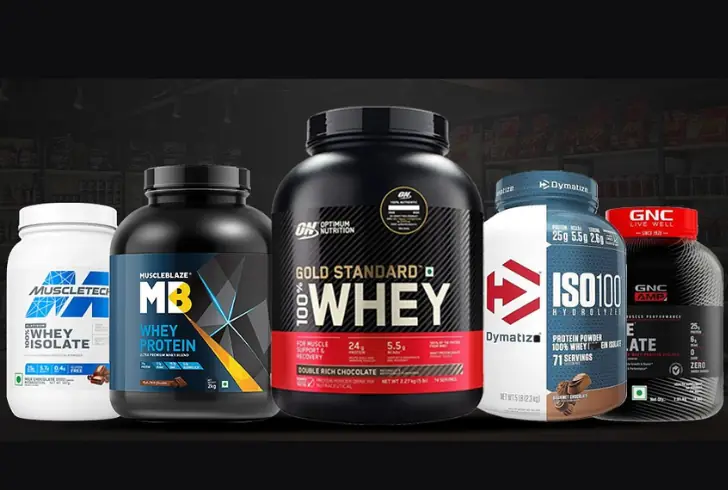
Several major brands, including BSN, Dymatize, Jocko Fuel, Muscle Milk, Owyn, PlantFusion, Transparent Labs, and Optimum Nutrition, declined to comment.
Naked Nutrition said it’s now increasing supplier scrutiny and conducting independent tests. Huel and Vega defended their formulations, stating compliance with international safety protocols, while Vega noted changes to sourcing practices. Momentous said the batch tested had already been retired. Brands like Orgain, Ensure, and Garden of Life insisted their products meet global standards — though such benchmarks often fail to include heavy metal limits.
Advice for Consumers
Experts recommend getting protein primarily from natural foods rather than relying on powders, especially plant-based ones. Look for brands publishing third-party test results and steer clear of any product marked with a Proposition 65 warning.
Safer, nutrient-rich protein sources include lean meats, legumes, dairy, and eggs. As Consumer Reports concluded, true health doesn’t come from convenience — it comes from transparency, clean sourcing, and mindful consumption.