
Gardening is often labeled a pastime, but its impact reaches much further than aesthetics or fresh produce. Digging, trimming, and observing growth can calm the mind while lightly exercising the body. History and science alike confirm: gardening restores emotional and physical balance.
While people often discuss ecological or aesthetic gains, the physical and mental benefits are equally noteworthy. Gardening requires effort—bending, lifting, digging—but that work is part of what makes the activity restorative.
A Tradition Rooted in Healing
The restorative power of gardens is centuries old. Japanese Zen gardens used carefully placed stones and raked sand to cultivate calm. Monks in medieval cloisters grew medicinal herbs and vegetables while providing space for contemplation.
The artist Claude Monet famously turned to gardening during a period of severe depression. Caring for his plants gave structure to his days and helped stabilize his mood. In time, he began painting the same gardens he nurtured, creating works that offered a sense of calm to a France still shaken by war.
Today, many hospitals, nursing homes, rehabilitation programs, and memory care centers incorporate gardens into their spaces. Patients, families, and staff use them as quiet retreats. Research shows that exposure to greenery can lower anxiety, ease stress, and help people recovering from trauma or post-traumatic stress regain emotional balance.
Therapeutic Benefits of Gardening

Time in a garden engages both the brain and the body. Planting, pruning, and observing changes in growth create an experience that involves movement, attention, and the senses all at once.
1. Cognitive Benefits
Tending plants encourages several important mental skills, including:
- Problem-solving and planning
- Memory recall
- Attention to detail
- Following step-by-step processes
Managing plant care and seasonal routines keeps the brain active and alert.
2. Physical Health Benefits
Physical benefits include:
- Motor skills
- Strength and dexterity
- Range of motion
- Balance and coordination
- Sensory awareness
Pruning, planting, and harvesting require controlled movements that build strength and flexibility over time.
3. Social and Emotional Gains
Gardens provide immediate stress relief. Repetitive tasks slow racing thoughts, while plant scents and textures encourage relaxation.
Gardening becomes even more powerful when shared. Group planting projects encourage conversation and teamwork. Community gardens, in particular, bring neighbors together while giving everyone a sense of accomplishment.
Designing a Healing or Wellness Garden
A restorative garden does not need a large yard or expensive design. A few pots on a balcony, porch, or windowsill can still create moments of calm. Even small patches of greenery can shift mood and provide meaningful benefits.
1. Start With Aromatic Plants
Fragrance plays a strong role in relaxation.
- Lavender (Lavandula angustifolia) – Its soft floral scent is widely associated with stress relief and better sleep.
- Lemon balm (Melissa officinalis) – The bright citrus aroma can help lift mood and improve concentration.
Herbs are particularly useful in small gardens. Their fragrance stimulates the senses, and harvesting fresh leaves adds a practical reward.
2. Incorporate Texture and Movement
Plant texture and motion enrich the experience:
- Lamb’s-ear (Stachys byzantina) – Soft, tactile leaves
- Sedum species (Sedum spp.) – Smooth, succulent foliage
- Ornamental grasses and ferns – Gentle movement adds life
Select plants that spark curiosity and personal enjoyment.
Adding Water for Instant Calm
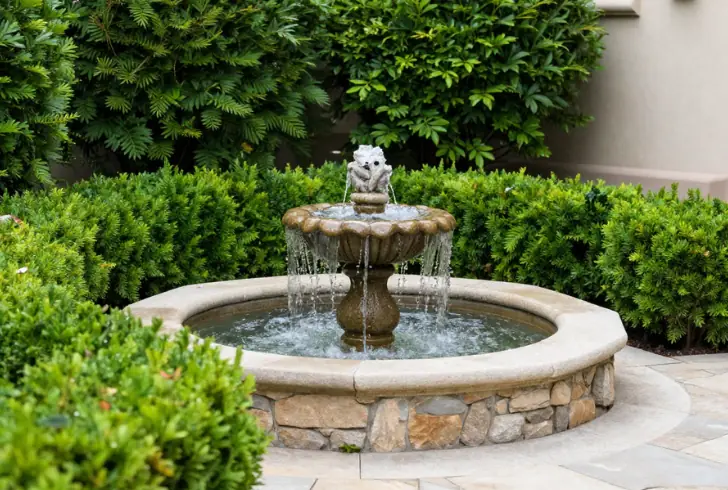
Water features create an immediate sense of quiet. The sound of trickling or bubbling water slows mental chatter and softens background noise. A small fountain, bird bath, or butterfly bowl can shift the mood of an entire garden.
Water features also serve a practical purpose. They provide hydration for pollinators and wildlife, supporting ecological balance while enhancing relaxation.
Focal Points and Comfortable Seating
Personal elements strengthen emotional connection to a garden. Focal points can include wind chimes, sculptures, garden art, bottle trees, and collected stones.
Objects tied to memories or travel can anchor positive feelings. A simple bowl filled with colorful rocks gathered over decades can act as a visual reminder of meaningful places and milestones.
Fun plays a role in therapy. Adding personality to a garden keeps the experience engaging.
To truly benefit from a therapeutic garden, it’s important to spend time in it. Seating should feel comfortable—benches work, but cushioned chairs or hammocks invite visitors to stay longer. Relaxed seating encourages reflection, rest, and even short naps.
As you remain in the garden, your body and mind adjust. Breathing slows, muscles loosen, and mood lifts.
Creating a Garden Is a Process
Spending time in a healing garden is essential to experience its restorative effects. Seating should feel welcoming—benches are fine, but cushions, chairs, or hammocks encourage longer, more mindful visits.
The longer one remains in the garden, the more the body relaxes: breathing slows, muscles release tension, and mood improves.