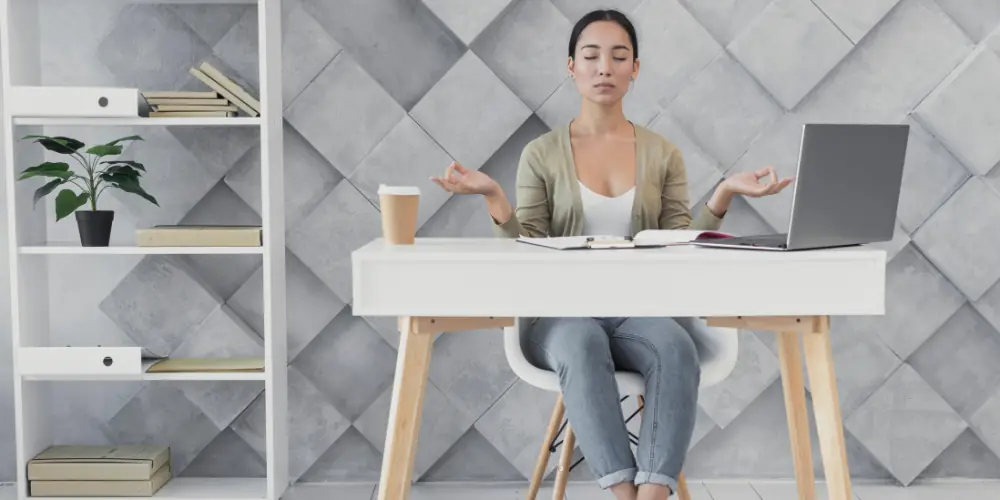
Workdays often feel like a race against the clock. Between endless meetings, emails, and tight deadlines, stress becomes unavoidable. Yet, even in those hectic moments, a few mindful minutes can make a difference. Mini meditations are becoming a go-to solution for professionals who crave calm without leaving their desks.
These short, discreet sessions help people reset, refocus, and regain balance. Wellness experts agree that meditation doesn’t need to be a silent, hour-long practice. It can be as simple as breathing deeply for a minute and centering the mind before tackling the next task.
Wellness coach Michelle Beyer, owner of Alana Life & Fitness in Brooklyn, explained that meditation can be simple and accessible. “People often think it needs chanting or a special setup, but it’s really easy,” she shared. “Even a one-minute meditation can help you feel great and no one will notice you’re doing it.”
The Simplicity of Mindful Breathing
Many meditation traditions emphasize focusing on the breath. When the mind drifts, acknowledging and letting those thoughts go builds awareness and calm. Practicing this daily even briefly can create a noticeable shift in mood and focus.
Regular meditation also strengthens concentration and emotional control. Brianna Healy, Assistant Director of Strategic Initiatives and Data Solutions at Naropa University, practices short sessions each morning. “When I skip a few days, I can tell,” she admitted. “I lose that sense of calm, and my focus feels scattered.”
Short, intentional breaks help maintain that centered state throughout the day. Even a few minutes during lunch or before a meeting can reduce tension and create space for clarity.
Let’s explore easy ways to bring meditation into any workday routine, no cushion, candles, or chanting required.
A Pre-Work Pause

Arriving a few minutes early can set the tone for a peaceful day. Kathryn Remati, meditation teacher and author of “Befriend Yourself”, suggests sitting quietly in your car or a quiet space before walking in. Close your eyes, take a long deep breath that fills the lungs, hold it for a moment, and exhale slowly as if blowing out a candle.
This simple breathing technique instantly resets the nervous system. Remati explained, “You’ll feel a shift right away. It makes you feel human again.”
Pairing that breath with a positive intention enhances the effect. Rather than focusing on tasks, think about how to show up with kindness or patience. Phrases like “I’ll stay productive and kind today” or “I’ll keep a positive attitude” help shape the day’s mindset.
Visualization for Clarity and Confidence
Visualization offers another quick way to center the mind. By mentally rehearsing success, the brain becomes better prepared to achieve it. Remati suggests visualizing specific details like finishing a project early or delivering a strong presentation. Picture yourself smiling, confident, and content.
This mental imagery can also help reshape interactions. Before meetings, try imagining a bright light above the doorway, symbolizing positivity and mutual understanding. “It helps see others in a better light,” Remati noted. Some even imagine a soft pink glow surrounding the people involved to promote calm connections.
Body Scan Meditation
When stress builds, the body feels it first. A body scan helps release physical tension before it spreads. Take a few slow breaths through the nose, exhale through the mouth, and mentally scan from the feet upward. Notice any sensations tightness, warmth, or tingling and let each muscle soften.
As Michelle Beyer explained, “When you consciously notice how your body feels, you reconnect with yourself.” Starting from the feet and moving up allows awareness to flow naturally, helping the body and mind relax together.
Finger and Thumb Technique
For a subtle on-the-spot reset, join the thumb and pointer finger to form a small circle while taking a deep breath. This method triggers relaxation quietly and effectively. Remati recommends saying internally, “Whenever I touch my finger and thumb, I choose peace.”
It’s perfect for meetings or stressful calls no one will notice, yet the mind regains calm quickly. This gesture creates an anchor for peace that can be used anywhere, anytime.
Inhaling Deeply and Humming Out
Sound also plays a powerful role in calming the body. Beyer suggests inhaling deeply, then humming softly during the exhale. The vibration soothes both body and mind, helping shift attention from worries to rhythm.
“Humming keeps your brain focused on the sound instead of stress,” Beyer said. This technique works especially well in private spaces like cars or outdoors, where people can hum freely without self-consciousness.
Releasing Shoulder and Jaw Tension

Tight shoulders and jaws are clear signs of built-up stress. To release them, inhale through the nose, then exhale through the mouth while rolling shoulders back. Repeat the process, focusing on relaxing the tongue, jaw, and neck. Finally, drop the hands loosely and take another slow breath.
This mini routine works well for commuters, especially those stuck in traffic or seated for long hours. The sequence releases hidden tension and resets posture instantly.
The Power of Consistency
Mini meditations may seem simple, but consistent practice can be transformative. Even a few minutes a day gradually reshape how the brain responds to stress, improving concentration, patience, and emotional regulation.
Workplaces also notice benefits: employees who practice short meditations often experience fewer conflicts, clearer decision-making, and higher morale. These sessions take little time but can positively affect the entire workday.
Peace doesn’t require long retreats or special rooms—it starts with a single mindful breath. Through humming, visualization, or quiet affirmations, mini meditations help people reconnect with themselves, slow the mind, relax the body, and reset the spirit. Over time, these small pauses become the foundation for lasting calm, focus, and clarity.