People are swapping happy hours for HIIT classes, replacing cocktails with ice baths, and skipping nightclubs for early-morning run clubs. While these trends reflect a growing focus on health, they also raise a question: what are we giving up in the name of wellness?
Jonathan Leary, a doctor of chiropractic medicine, noticed a recurring concern among his clients: “‘All these lifestyle changes you made me implement to be healthy are ruining my social life,’ they often said. ‘How am I supposed to go on a date? What do I do after work? How do I meet new people?’”
To address this, Leary founded Remedy Place, a “social wellness club” that opened its first Boston location in 2025. The club offers AI-powered massages, lymphatic compression, sauna sessions, and communal experiences like ice baths and Pilates classes. Clients can attend these with friends or even host events such as bachelorette parties and birthdays.
According to Leary, “There’s no reason why we only have to socialize over alcohol.”
Remedy Place is part of a broader movement. Many wellness-focused venues now combine health services with social opportunities, allowing people to maintain their social lives without compromising their well-being.
Wellness Changing Boston’s Social Life
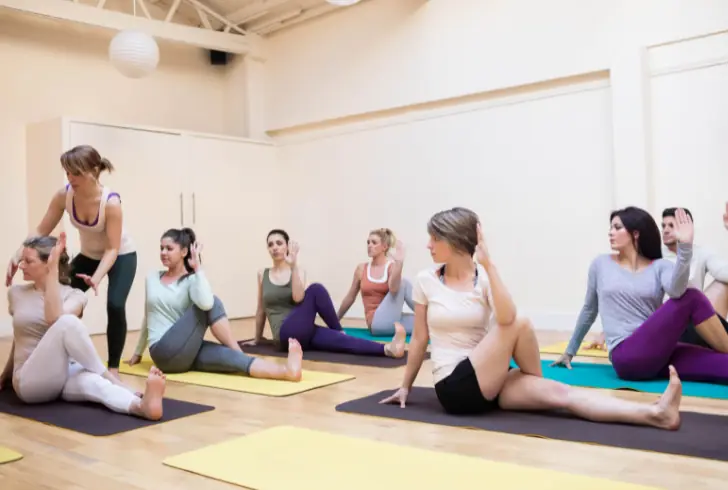
Boston’s culture is shifting as longevity-focused lifestyles gain popularity. Early-morning fitness classes, supplement stacks, and boutique wellness events are replacing late-night dinners and cocktail outings.
Marwa Osman, a content creator behind City Lists, observes that weekday nightlife feels quieter. Events drawing crowds often have a wellness focus. Ritual Fest, for instance, sold out 1,500 tickets at the SoWa Power Station for a day featuring workouts, cold plunges, and wellness brand activations.
Young adults are increasingly choosing gyms over bars. Kelly Whittaker-Cummings, an instructor at Barry’s in downtown Boston and the Back Bay, notes a shift in morning class attendees. Pre-pandemic, corporate professionals attended 5- and 6-a.m. classes. Now, college students often take these slots, opting for group workouts over brunch or drinks.
This trend is not limited to younger generations. Somerville’s Bouldering Project attracts people of all ages, not only for climbing and fitness but also for social events like member mixers and craft nights. Kristen Fennell Yates, the club’s yoga and fitness manager, describes it as a “third space” where people spend more time connecting in healthy environments.
Impact on Traditional Social Spaces
Bars and restaurants are feeling the effects of this wellness shift. Jackson Cannon, beverage and bar director for Eastern Standard Hospitality, says these venues are “under siege.” Health-conscious patrons often pick at appetizers rather than ordering full meals, and younger generations are drinking less. Late-night dining and social gatherings have slowed.
The pandemic and rising costs for dining and nightlife also contribute. Craft cocktails, which once cost $17, now compete with wellness memberships ranging from $230 at Barry’s to $399 at Remedy Place.
As Deborah Carr, a Boston University sociologist specializing in aging, notes, “Those who have the richest economic resources have the greatest opportunity to age well.”
Wealth influences access to nutritious food, healthcare, safe outdoor spaces, and social spaces designed around wellness. Carr adds that social wellness has a status element, similar to designer labels or high-end fashion.
Balancing Health and Social Life
Wellness-focused lifestyles offer clear benefits. Structured routines, regular sleep, and careful diet choices reduce hangovers and improve overall health. Livers and lifespans likely benefit from these changes.
However, there is a trade-off. Jackson Cannon observes that giving up spontaneous social experiences has subtle consequences. While health is improved, some of the unstructured, lively aspects of social life are diminished.
Wellness culture is reshaping how people connect, particularly in cities like Boston. Socializing is increasingly tied to fitness studios, wellness events, and curated experiences rather than bars and restaurants. While this change promotes healthier habits and longevity, it also transforms traditional social dynamics.
Balancing health goals with the desire for spontaneous, casual fun remains a challenge in a society where wellness is increasingly the lens through which people experience life.