Does Pilates build muscles? This is a question that many fitness enthusiasts and beginners alike are curious about. Pilates, a form of low-impact exercise, has gained immense popularity over the years. Known for improving flexibility and core strength, Pilates is often associated with lean, toned bodies. But can it really build muscles?
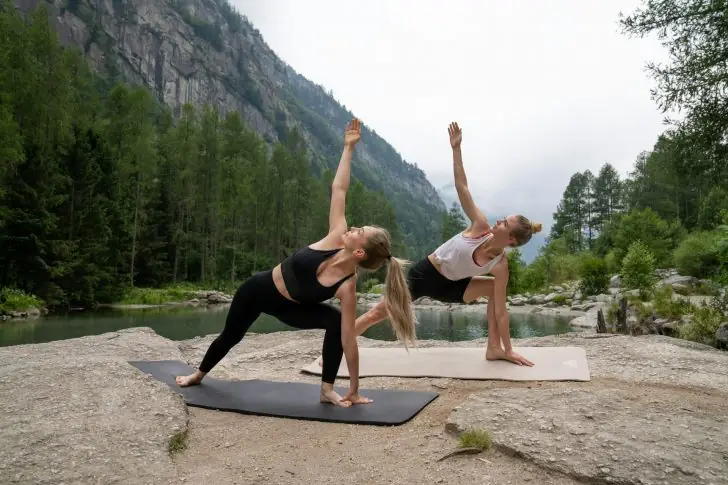
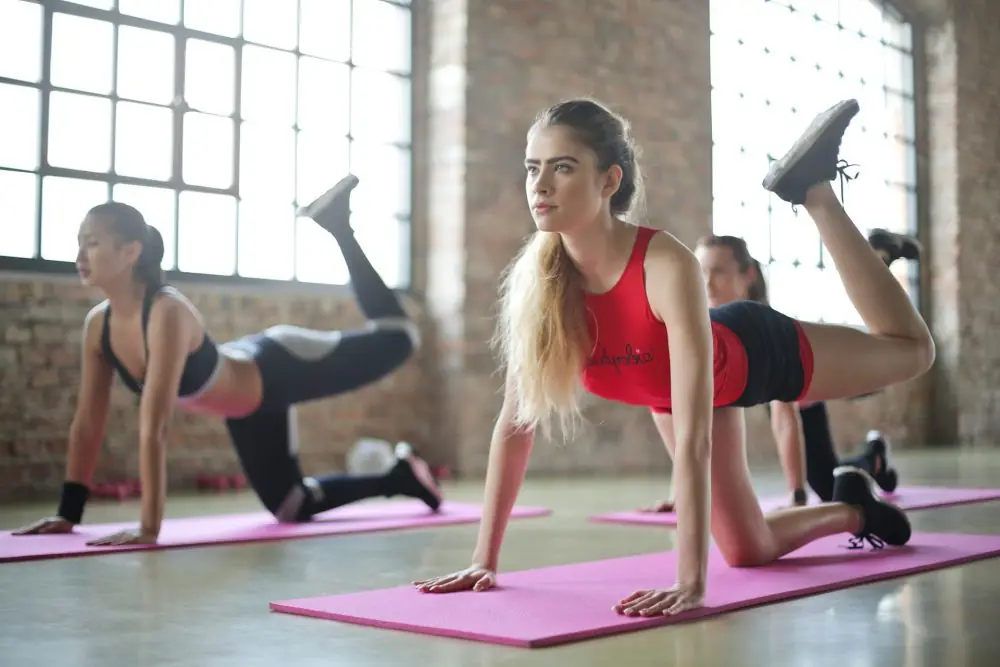
Originally called “Contrology,” it emphasizes the balanced development of the body through core strength, flexibility, and awareness. Pilates can be performed on a mat or using specialized equipment such as the Reformer, which adds resistance to exercises.
However, the foundation of Pilates lies in its principles: concentration, control, center, flow, precision, and breathing. Each exercise is performed with a high level of control and focus, engaging the mind and body simultaneously. This holistic approach makes Pilates not just a workout but a form of mindful movement that enhances overall well-being.
How Pilates Works?
Pilates exercises target the core muscles, including the abdominal muscles, lower back, hips, and buttocks. The movements are designed to improve strength, flexibility, balance, and body awareness.
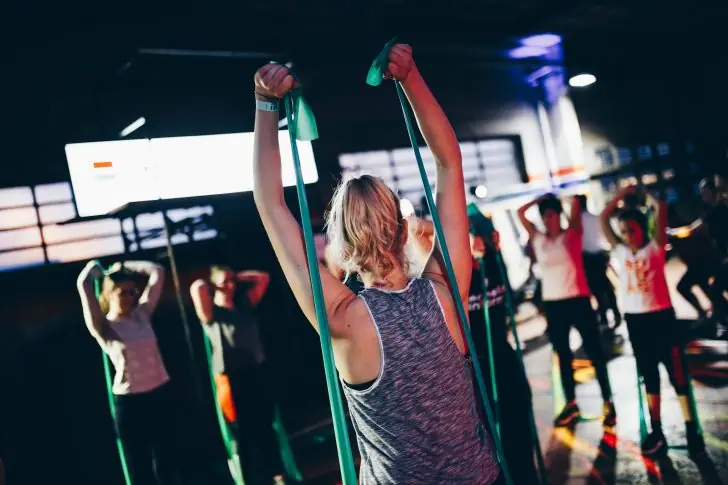
During a Pilates session, exercises are performed slowly and precisely, often incorporating breathing techniques. This method increases the efficiency of each movement, ensuring that muscles are engaged correctly and effectively. The use of equipment like the Reformer adds resistance, challenging the muscles and promoting growth.
Is Pilates Considered a Strength Workout?
Yes, Pilates is considered a strength workout, albeit a unique one. Unlike traditional strength training, which typically involves lifting heavy weights, Pilates focuses on resistance and body weight exercises. The resistance provided by equipment like the Reformer, springs, and bands, along with body weight, helps to build muscle strength and endurance.
Likewise, Pilates also emphasizes eccentric muscle contractions, where muscles lengthen as they contract. This type of contraction is effective in building strength and promoting muscle growth. Plus, the controlled, deliberate movements in Pilates ensure that muscles are worked to their maximum potential without the risk of overloading them.
Does Pilates Build Muscles?
So, does Pilates build muscles? The answer is yes, but with some nuances. Pilates builds lean muscle, rather than bulky muscle. The focus is on creating long, toned muscles with a strong core foundation. This is achieved through resistance exercises that challenge the muscles, promoting strength and endurance.
The continuous engagement of the core muscles throughout a Pilates session also leads to improved muscle endurance. While it may not build muscle mass in the same way that heavy weightlifting does, Pilates effectively strengthens and tones the body.
What are the Benefits of Muscle Development in Pilates?
The benefits of muscle development through Pilates extend beyond just physical appearance. A stronger core improves posture and reduces the risk of back pain. Enhanced muscle tone and strength also contribute to better athletic performance and everyday functional movements.
Pilates promotes balanced muscle development, which helps in preventing injuries. The focus on core strength and stability creates a solid foundation for all types of physical activities. Similarly, the mindful approach of Pilates reduces stress and enhances mental well-being, contributing to overall health.