
There was a time when the whole concept of fitness revolved around the “no pain, no gain” mantra. That concept is disappearing now. Today, fitness is not just about pushing through pain anymore. The industry is shifting, and rest is finally getting the attention it deserves.
Once, intense workouts were the gold standard. Now, trainers and experts recognize that recovery is just as important as exercise itself.
The Fitness Industry Is Embracing ‘Recovery
Tony Horton, the creator of the legendary P90X workout, used to swear by grueling training routines. Now, he preaches the benefits of rest and warns against overtraining. He realized that recovery is not just a break from exercise. It is an essential part of progress.
Sleep, stretching, ice baths, and mindfulness have become the pillars of modern fitness.

Research backs them up. Studies show that deep sleep repairs muscle tissue and helps prevent injuries. Without proper rest, even the best workouts won’t lead to lasting results.
A Smarter Approach to Fitness
Trainers are no longer just exercise coaches. They are lifestyle guides. The fitness industry now takes a holistic approach, focusing on everything from sleep to stress management. Recovery is about active strategies like foam rolling, sauna sessions, and mobility exercises that keep the body functioning at its best.
Stan Kravchenko, a personal trainer and fitness entrepreneur, says the industry has evolved. Trainers now ask about their clients’ daily habits, like how they eat, how they sleep, and even how they work.
The focus has shifted from pushing limits to making sustainable lifestyle changes that support long-term health.
How Much Recovery Do Your Muscles Need?
Rest is different for everyone, but there are general guidelines. Kravchenko suggests waiting 48 hours before working the same muscle group again. He also recommends limiting training to 10 sets per muscle group per week. Giving muscles time to recover actually makes workouts more effective.
However, that doesn’t mean you have to sit still between workouts. Active recovery – like walking, light yoga, or stretching – keeps the body moving without overloading the muscles.
Does Pain Still Have a Place in Fitness?
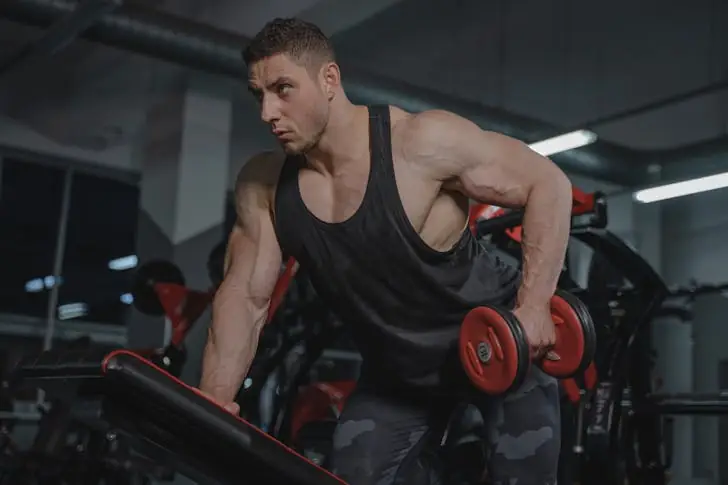
The “no pain, no gain” mindset is not entirely wrong, though. Some discomfort is necessary for growth, but constant pain is not. It all depends on the goal. Competitive athletes may need to push themselves harder, but the average person doesn’t need to suffer through every workout to see results.
For most people, challenging but controlled workouts are enough. Horton agrees, saying that while effort is required, extreme pain is a red flag. The key is to stress the body in a way that promotes adaptation without causing burnout or injury.
Mindfulness Is the Missing Piece of Recovery
Recovery is not only physical, though. It is mental too. Horton and Kravchenko both recommend mindfulness as a core part of fitness. Taking just a few minutes each day to meditate can help manage stress and improve consistency in workouts.
Horton believes that a solid mindfulness routine should come before even starting an exercise plan. When people are mentally prepared, they are more likely to stick with a routine and get better results. Fitness is about balance, and recovery is the foundation of that balance.