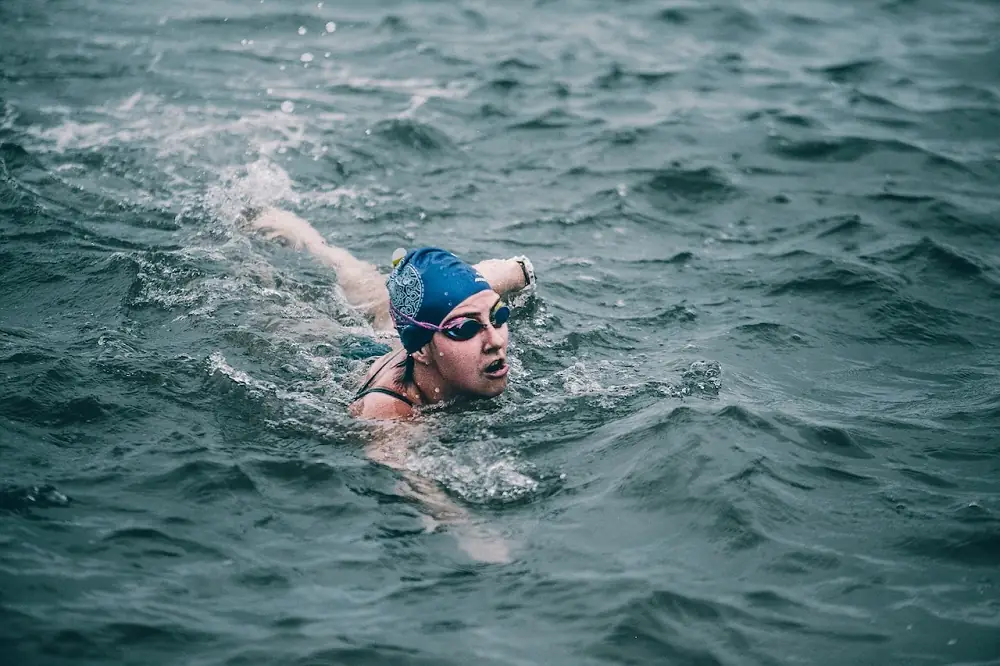
Swimming in cold water, the act of plunging into frigid lakes, rivers, or seas, has seen a surge in popularity as individuals seek unconventional and invigorating means to commune with nature and enhance their health. Despite the reported benefits, such as improved mood, heightened alertness, and strengthened immune function attributed to cold water immersion, it’s vital to acknowledge the potential hazards linked to this activity.
Today, we will investigate the risks associated with cold water swimming and furnish indispensable guidance to ensure safety while relishing the exhilaration of a cold water dip.

Hypothermia
One of the most significant risks of cold water swimming is hypothermia. This condition occurs when your body loses heat faster than it can produce, causing your core body temperature to drop dangerously low.
Hypothermia can lead to confusion, shivering, numbness, muscle stiffness, and, in severe cases, loss of consciousness. Cold water, especially in winter, can accelerate the onset of hypothermia, making it a serious concern for cold water swimmers.
To mitigate the risk of hypothermia, you must be mindful of the water temperature and your tolerance. Always start with short swims in milder temperatures and gradually build your cold water tolerance over time. Additionally, wearing appropriate swim gear, such as wetsuits, neoprene gloves, and booties, can help insulate your body and reduce heat loss.
Cold Water Shock
Cold water shock is a sudden and involuntary gasp reflex when exposed to cold water. It can lead to panic, involuntary inhalation of water, and potentially drowning. This reflex typically lasts about 1-3 minutes, a crucial period during a cold water swim. To minimize the risk of cold water shock, enter the water slowly, allowing your body to acclimate gradually to the temperature change.
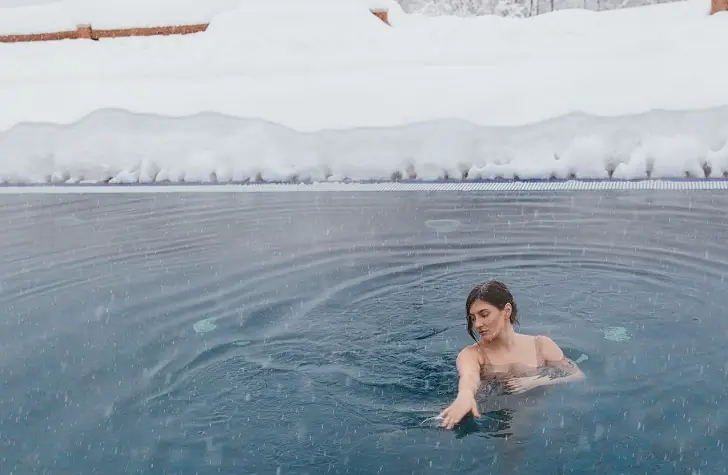
Cardiac Stress
Cold water immersion can put stress on your cardiovascular system. When you enter cold water, your body constricts blood vessels near the skin’s surface to conserve heat, increasing your blood pressure and heart rate. For individuals with pre-existing heart conditions, this added stress can be dangerous.
Before attempting cold water swimming, consult a healthcare professional to ensure your heart is in good condition. Monitoring how your body responds to cold water immersion and exits the water if you experience discomfort or chest pain is crucial.
Respiratory Issues
Cold water swimming can trigger breathing difficulties, mainly if you’re not accustomed to the shock of cold water on your respiratory system. The inhalation of cold air while swimming in cold water can lead to bronchoconstriction, making breathing harder and potentially causing a sensation of breathlessness.
To mitigate this risk, practice controlled and rhythmic breathing while swimming, and never push yourself too hard during cold water swims. Gradual acclimatization to cold water can also help your body adapt to the respiratory challenges posed by this activity.

Numbness and Loss of Dexterity
Exposure to cold water can cause numbness in your extremities, such as your fingers and toes, making swimming challenging. Loss of talent in your hands can also make it difficult to grasp objects or hold onto a swimming aid if needed.
Invest in neoprene gloves and booties to insulate your extremities to counteract numbness and loss of talent. Also, always swim with a buddy who can assist if you encounter difficulties in the water.
Waterborne Illnesses
Swimming in natural bodies of water, especially in colder climates, can expose you to various waterborne illnesses. Cold water may contain harmful bacteria and pathogens, leading to infections or gastrointestinal issues.
To reduce the risk of waterborne illnesses, avoid swallowing or inhaling water while swimming, and always shower thoroughly after your swim. Be cautious when swimming in areas known for water pollution or algal blooms, as these can pose a higher risk of contamination.