Scientific Things About Sweat That Probably Didn’t Know

Scientific Things About Sweat That Probably Didn’t Know

Although sweating can be untidy, smelly, and even repulsive to some, it is the body’s natural cooling process. When your body temperature rises due to exercise, heat, stress, or hormonal fluctuations, perspiration helps maintain a comfortable 98.6 degrees Fahrenheit. The majority of perspiration consists of water, with minor quantities of other substances. When perspiration exits the body through pores in the skin, it evaporates (transforming from a liquid to a vapor) and cools us down. Salt, ammonia, potassium, glucose, lactate, and urea, to name a few, are removed from the bloodstream by perspiration. Sweat is a terrific cooling mechanism, but it is also a great means for the body to eliminate these substances. Sweat includes biological indicators such as metabolites, electrolytes, and even heavy metals, which can provide a window into a person’s health and potentially help in the diagnosis of certain disorders. Sweating is controlled by the sympathetic or autonomic nervous system. The neurotransmitter acetylcholine is used to send signals to the sweat glands. The perspiration is subsequently transported to the surface of the skin through ducts.
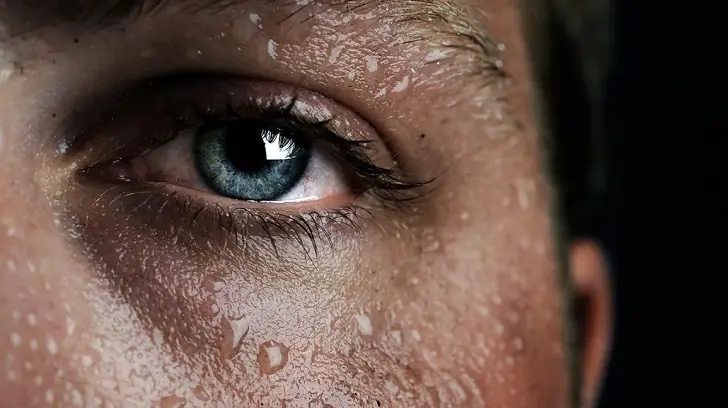
Healthline/ Pinterest | It’s time to break out the deodorant for a seriously sweaty season

Sweating further explained 

In the human body, there are between 2 million and 4 million sweat glands spread all over the body. There are two types of sweat glands that are involved in perspiring. The first one is the Eccrine glands, which respond to heat; they release essentially odorless sweat directly onto your skin and in your armpits, the areas of the body with the highest concentration of sweat glands. In contrast, the Apocrine gland develops in your hair follicles and responds to heightened emotions and heat. They release fatty sweat that’s broken down by bacteria on the skin in a process that produces a stink. 
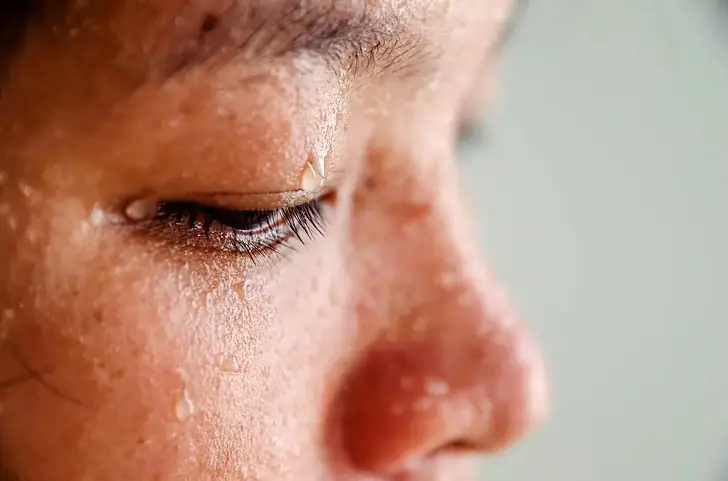
Shutterstock/ Stock Image | There’s more to sweat than it happens

The amount of sweat you create depends on a number of variables, including:

  • According to scientific research, persons with a greater body mass create more heat and, thus, more perspiration. A bigger body’s increased surface area need increased sweat to cool it.
  • Extremely fit individuals perspire more than their less-fit peers. But if fit individuals and less-fit individuals execute the same work, the less-fit individual will sweat more since they must invest more energy to complete the same task.
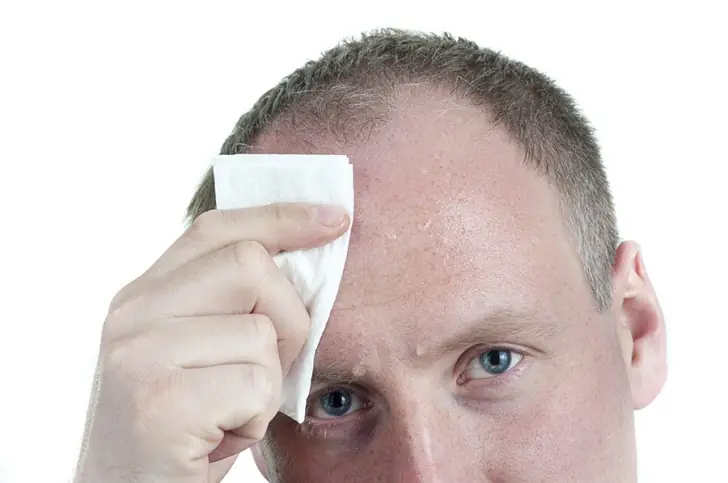
Eunika Sopotnicka/ Shutterstock | Composed of about 99 percent water, sweat evaporates on the skin’s surface

  • Muscle mass generates more heat than fat mass. Therefore, even if two people have the same body weight, their sweat rates will vary dependent on their proportion of muscle mass.
  • Several health issues and life stages might affect the amount of perspiration you produce. Even mental health disorders such as worry and sadness can influence the amount of perspiration. Specifically, hormone variations are frequently associated with a rise in internal body temperature.


You May Also Like

U.S. Air Force Revises Physical Fitness Test Rules and Scoring System Fitness

U.S. Air Force Revises Physical Fitness Test Rules and Scoring System

Physical readiness remains a key requirement for military service. To reinforce that goal, the U.S. Air Force has introduced updates to its physical fitness program along with revised scoring charts for fitness assessments. The changes aim to support long-term health while maintaining combat readiness across the force. Officials explained that the new structure encourages airmen […]

Helen Hayward March 20, 2026
Read More →
Why Fitness Influencers Are Speaking Out on Politics Fitness

Why Fitness Influencers Are Speaking Out on Politics

Fitness content once offered a reliable escape. Scroll through Instagram or TikTok and the feed was filled with deadlifts, meal prep tips, race recaps, and gym selfies. Politics rarely entered the frame. That boundary has started to blur. Over the past month, a noticeable group of fitness creators has stepped into public debate, addressing immigration […]

Helen Hayward February 21, 2026
Read More →
Kate Hudson’s 20-Minute Fitness Rule That Helps Her Stay Fit at 46 Fitness

Kate Hudson’s 20-Minute Fitness Rule That Helps Her Stay Fit at 46

Staying active does not always require long gym sessions or strict plans. For Kate Hudson, movement fits naturally into everyday life, and that mindset has shaped how the 46-year-old actress, singer-songwriter, and Fabletics co-founder approaches fitness. Her routine focuses on consistency, flexibility, and enjoyment, making it realistic for a wide range of lifestyles. Kate Hudson […]

Helen Hayward January 24, 2026
Read More →
Why the Fitness Tech Boom Is Worsening Health Inequality Fitness

Why the Fitness Tech Boom Is Worsening Health Inequality

Health data has never been more accessible—or more exclusive. Advanced fitness technology now offers detailed insights into heart health, sleep quality, physical activity, and stress patterns. Yet this level of awareness remains out of reach for many people. As wearable devices and digital health platforms become common among higher-income groups, a quieter issue continues to […]

Helen Hayward December 26, 2025
Read More →
Do Popular Protein Powders Really Contain Harmful Lead? Fitness

Do Popular Protein Powders Really Contain Harmful Lead?

Protein powders have become a go-to supplement for people trying to boost their daily protein intake—whether for muscle recovery, fitness goals, or convenience. But new findings from Consumer Reports (CR) have sparked alarm after revealing high levels of lead in several popular protein powders and shakes sold in the U.S. Over a three-month investigation, CR […]

Helen Hayward October 31, 2025
Read More →