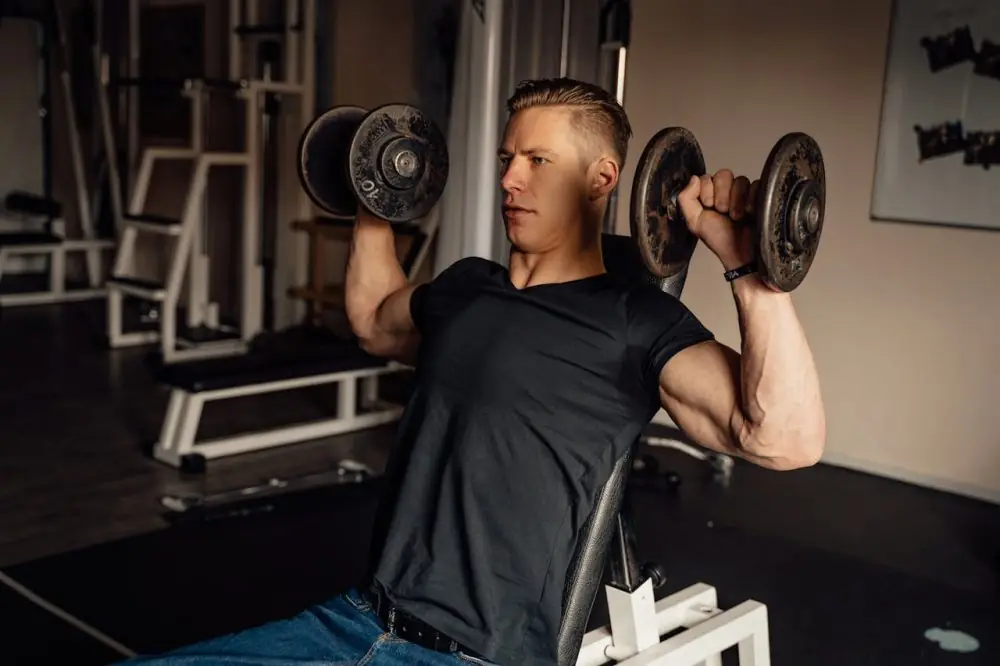
A well-executed shoulder press builds strength, definition, and resilience in the upper body. Yet, many approach this staple exercise without understanding key techniques, leading to common mistakes and potential injuries. Below are effective shoulder press tips to ensure optimal muscle engagement while minimizing stress on the joints.
6 Safe Shoulder Press Tips
1. Perfect Your Starting Position
Before pressing, establish a stable base to support the movement. Stand with feet shoulder-width apart, or sit upright if performing a seated press. Brace the core and tighten the glutes, creating tension that protects the lower back and maintains spinal alignment. This simple adjustment can prevent excessive back arching, which often occurs when stabilizing muscles aren’t engaged, placing unnecessary strain on the lower spine.
2. Keep Elbows at a 45-Degree Angle
Proper elbow positioning is essential for joint safety and muscular engagement. Begin with elbows positioned slightly in front of the torso, angled at approximately 45 degrees relative to the body. This placement reduces shoulder impingement risk, promoting a natural movement path. Flared elbows, often seen in gym-goers, may strain the rotator cuff, increasing the chance of injury over time.

3. Control the Weight on the Way Down
The lowering phase of a shoulder press is as vital as the lift itself. Slowly and deliberately control the descent of the weights, resisting gravity’s pull. This eccentric motion builds muscular strength and reduces injury risk by increasing control over the movement. Aim for a two to three-second descent to maximize muscle tension, leading to more balanced muscle development and greater control.
4. Avoid Locking Out at the Top
Avoid fully extending or “locking out” the elbows at the peak of each shoulder press. Maintaining a slight bend in the arms relieves pressure on the elbow joints, which can bear undue strain when fully extended. This minor adjustment also keeps tension on the shoulder muscles, enhancing the effectiveness of each rep and promoting better muscle activation.
5. Align Wrists with Forearms
Keeping the wrists straight and aligned with the forearms prevents wrist strain and enhances stability throughout the press. Bending the wrists backward shifts the load away from the shoulder muscles and onto the joints, increasing the chance of wrist pain or injury. Visualize pressing the weights in a straight line above your head, with your wrists stacked over your elbows at all times.
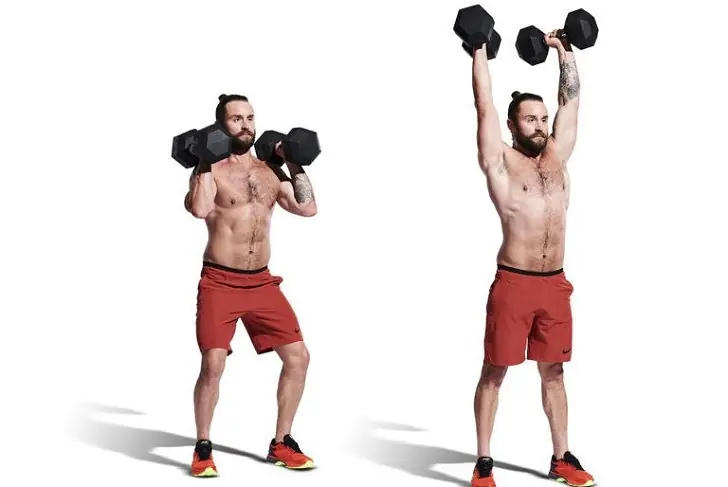
6. Avoid Using Leg Drive
For a strict shoulder press, avoid generating momentum from the legs. Leg drive transforms the exercise into a “push press,” which is a different movement focused on power rather than isolation of the shoulders. Concentrate on driving the weights with shoulder strength alone, creating a smooth, controlled movement. This focus builds shoulder stability and strength more effectively, targeting the deltoids and supporting muscles.
Shoulder Press Variations for Extra Challenge
Incorporating shoulder press variations can add intensity and stimulate different muscle fibers. Options like the seated dumbbell shoulder press enhance control, while the half-kneeling press engages the core more actively. Experimenting with these can offer fresh challenges without compromising shoulder health. Each variation requires adherence to the same alignment principles to ensure safety and effectiveness.
Common Mistakes to Avoid
Several common mistakes often reduce the effectiveness of the shoulder press and lead to injury. These include arching the back excessively, shrugging the shoulders toward the ears, or slamming the weights together at the top of each rep. Arching the back transfers the load onto the lower spine, while shoulder shrugging creates unnecessary tension in the neck. Similarly, slamming weights together causes a loss of control, reducing the efficacy of each rep and potentially injuring shoulder joints.
Avoiding these mistakes not only improves shoulder press form but also maximizes the movement’s benefits. By consciously adjusting form, the shoulder press becomes a safer, more productive exercise, strengthening the upper body while reducing injury risks.